Christmas Pig Broken Wall 4: A Designer's Real-World Review
I have spent years reviewing machine embroidery design files, testing everything from delicate floral monograms to complex character art. When I first opened the file for Christmas Pig Broken Wall 4, my immediate reaction was a mix of curiosity and practical skepticism. It is categorized under Illustrations, which often implies a higher level of artistic detail than standard geometric patterns, but does that translate well into stitched thread? As someone who runs a small shop and creates custom apparel for clients, I need to know if this design will hold up in a real production run or if it is just another pretty picture that falls apart on thick cotton.
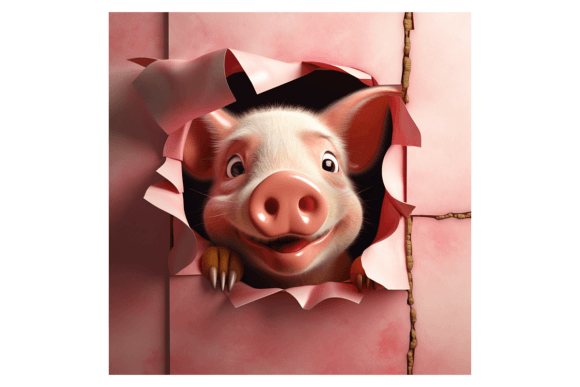
The mood of Christmas Pig Broken Wall 4 is distinctively cozy yet slightly rebellious. The concept of a pig breaking through a wall suggests movement and energy, which is a bold choice for holiday-themed work. Most Christmas designs lean heavily on traditional serenity—snowflakes, reindeer, and soft holly. This piece offers a narrative twist that could resonate deeply with customers looking for something unique rather than generic. However, before I can recommend it for your boutique inventory or personal gifts, we need to look at how those artistic choices survive the rigors of the embroidery hoop.
First Impressions: Visual Personality and Stitch Logic
The layout of Christmas Pig Broken Wall 4 relies heavily on strong outlines and defined shapes. From a design perspective, this is promising because it reduces the risk of "thread bleed," where stitches merge together on softer fabrics. The visual personality feels modern and playful, making it an excellent candidate for custom apparel like sweatshirts or tote bags where a statement piece is desired. The broken wall element adds texture, which usually requires a mix of satin stitch for edges and fill stitch for the solid areas.
However, the devil is in the details. When I zoomed in on the digital preview, I noticed some intricate corners in the pig's features and the debris of the broken wall. In a perfect world, these would be crisp. In reality, on a stretchy knit fabric, those tiny details might get lost or create puckering. For a designer, the question is always: does the complexity serve the story, or is it just decoration? Here, the detail seems necessary to convey the action of the break, but it demands careful execution during digitizing and stitching.
Real-World Application: Where Does This Design Shine?
I recently considered using Christmas Pig Broken Wall 4 for a specific client project: a limited-run collection of holiday aprons for a local bakery. The baker wanted something that wasn't your average Santa hat motif; she wanted her staff to feel fun and spirited while working. This design fits that brief perfectly. On a heavy-duty canvas apron, the contrast between the dark wall and the lighter pig would pop beautifully. The sturdy fabric provides the stability needed to handle the density of the fill stitches without warping.
Beyond aprons, this design has potential as a high-value embroidered patch. If you are an Etsy seller looking to diversify your offerings, creating iron-on patches of this illustration could be a hit. The "broken wall" theme allows for creative backing options, perhaps even incorporating a distressed look to match the artwork. I also envision this working well on baby onesies or nursery decor, provided the color palette is adjusted to softer pastels. The whimsical nature of the subject matter makes it highly giftable, especially for parents who appreciate humor over tradition.
For small business merchandise, such as branded hats or caps, this design offers a focal point that draws the eye. While caps present challenges due to their curved surfaces, the central placement of the pig allows the design to sit comfortably on the front panel. It transforms a simple cap into a conversation starter, increasing the perceived value of the product. Customers are more likely to pay a premium for a handmade item that tells a story, and this design certainly does.
Where to Exercise Caution: Fabric and Placement Limits
While the design is versatile, it is not a universal fit. There are specific scenarios where Christmas Pig Broken Wall 4 might struggle. First, avoid using this on very thin or highly stretchy fabrics like lightweight jersey or silk unless you use a heavy-duty stabilizer. The tension required for the fill stitches could cause the fabric to pucker significantly, ruining the clean lines of the illustration.
Another critical area is small hoop sizes. If you are trying to place this design on a child's sock or a small pocket, the detail level might become muddy. Tiny threads can blur together when the design is scaled down too much, losing the definition that makes the pig look lively. Similarly, on dark fabrics, the background elements of the broken wall might disappear if you do not use a contrasting underlay or a light-colored thread for the negative space. Always test the thread colors against the fabric background to ensure visibility.
Dense stitch areas are also a concern. If the design includes large blocks of fill stitch, it may feel stiff and uncomfortable on a garment worn close to the skin. For items like pillow covers or kitchen towels, this stiffness is less of an issue, but for wearable items, you must consider the drape of the finished product. Additionally, products that require frequent washing, like dishcloths or baby bibs, should be tested for durability. High-density embroidery can sometimes trap lint or fray at the edges if not secured properly.
Designer Notes for Professional Results
If you decide to integrate Christmas Pig Broken Wall 4 into your workflow, here is my professional advice based on field testing. Always start by running a test on scrap fabric that matches your final material. This step is non-negotiable for catching issues with stitch density or hoop size mismatches before you commit to a customer's order.
Pay close attention to the stabilizer. For a design with mixed stitch types like this, a cut-away stabilizer is often safer than tear-away, especially for items that will be washed frequently. It provides long-term support and prevents the design from distorting over time. Also, inspect the small details closely. If the pig's eyes or the cracks in the wall are too fine, consider simplifying them manually if your software allows, or choose a different design for smaller applications.
When preparing printable mockups for your digital product sellers or marketing materials, remember that photos rarely capture the texture of thread. Use lighting that highlights the relief of the embroidery to show off the quality. Comparing the design in black and white mockups can also help you assess the balance of the composition without the distraction of color.
Finally, confirm your licensing terms before selling finished items. Some embroidery files are licensed for personal use only, while others allow commercial sales of the physical product. Understanding these terms protects your craft business and ensures you are operating ethically. If the file format is not specified, verify compatibility with your machine before starting the job.
In conclusion, Christmas Pig Broken Wall 4 is a compelling asset for designers willing to invest time in proper setup. It brings a fresh, energetic vibe to the crowded holiday market. With the right fabric, stabilizer, and attention to detail, it can elevate a simple tote bag or sweatshirt into a standout handmade product that customers will cherish. Just remember: good embroidery is about more than just the design file; it is about the thoughtful execution that brings the illustration to life.