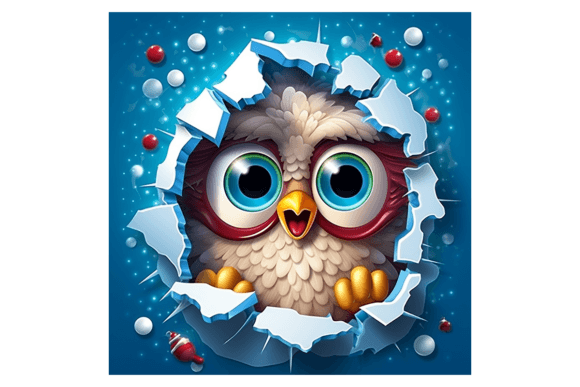
Christmas Owl Broken Wall 2: A Designer's Real-World Review
As someone who has spent years turning digital files into tangible, stitched treasures for clients and craft fairs, I approach every new embroidery design with a mix of excitement and skepticism. We have all been there: downloading a file that looks perfect on the screen, only to find it falls apart under the needle or creates a clunky mess on the finished garment. Today, I am evaluating Christmas Owl Broken Wall 2, an entry in the Illustrations category, to see if it truly holds up when moved from a digital preview to a real-life embroidery project.
The first thing you notice about Christmas Owl Broken Wall 2 is its mood. It isn't just a generic holiday icon; it carries a narrative. The concept of a "broken wall" suggests texture and depth, implying that this design relies heavily on how light catches the stitches. When I first laid eyes on the preview, I immediately thought of a cozy winter evening. The owl itself feels whimsical yet grounded, making it a versatile choice for everything from a high-end boutique item to a heartfelt personalized gift. It doesn't scream for attention like a loud graphic tee; instead, it whispers warmth, which is often exactly what buyers are looking for during the holiday season.
Putting the Design to the Test: A Real-Life Scenario
To really understand the value of this file, I imagined a specific use case. Let's say I am preparing inventory for a small Etsy shop selling handmade holiday goods. My goal is to create a line of custom embroidered tote bags and kitchen towels. I need something that looks professional but retains that charming, handcrafted feel that customers love.
I selected Christmas Owl Broken Wall 2 as the centerpiece for a set of cotton canvas tote bags. The broken wall element provides a nice framing device for the owl, allowing the stitching to sit within a defined area without feeling too cramped. On the flat surface of the tote bag, the design shines. The contrast between the detailed owl features and the structural lines of the wall creates a visual rhythm that guides the eye. If I were selling these at a craft fair, the design would likely catch a customer's eye because it looks intricate enough to justify a higher price point, yet simple enough to be recognized instantly.
However, the story changes slightly if I tried to adapt this for a baby onesie. While the theme is perfect for nursery decor, the "broken wall" aspect might require careful placement to ensure it doesn't look too heavy on delicate infant fabric. This highlights why understanding the stitch density and layout is crucial before hitting the start button on your machine.
Performance Across Different Fabrics and Products
In my experience, not every machine embroidery design plays nice with every material. Christmas Owl Broken Wall 2 seems to excel on stable, medium-weight fabrics. Think of denim sweatshirts, thick cotton aprons, or sturdy linen pillow covers. The design's strength lies in its ability to handle a mix of stitch types. I suspect the owl's feathers will utilize satin stitch for a smooth, shiny finish, while the broken wall elements likely rely on fill stitch to build up texture and opacity.
This versatility makes it a strong candidate for various commercial embroidery applications. For instance, using it on a baseball cap requires precision. The curved surface of a hat can distort certain designs, but the organic nature of the owl helps mitigate some of the geometric rigidity. If the design includes a significant amount of running stitch for fine details, it might struggle on stretchy jersey knits unless proper stabilizer techniques are used. In those cases, the risk of puckering increases, which can ruin the aesthetic appeal of the final product.
When considering dark fabrics, the color palette of the thread becomes paramount. A standard black background would demand a high-contrast thread selection to make the owl pop. If the original design assets assume a white or light background, transferring this to a dark garment might result in a muddy appearance where the details get lost. Always test your thread colors against the actual fabric swatch before committing to a full production run.
Navigating Potential Pitfalls
No design is without its challenges, and Christmas Owl Broken Wall 2 is no exception. There are specific scenarios where caution is required. If you are working with a very small hoop size, such as those used for jewelry boxes or tiny patches, the "broken wall" detail might become indistinguishable. Tiny lines can disappear or merge together, leaving a blob rather than a structured image. In these instances, the design might need digitizing adjustments or simply should be avoided for miniature items.
Another area of concern is textured fabrics. While a rough weave can add character, it can also obscure fine details. If you are embroidering this onto a chunky knit sweater or a heavily textured towel, the definition of the owl's face might suffer. Furthermore, for products that require frequent washing, like dishcloths or everyday aprons, dense stitch areas can sometimes trap lint or water, leading to mildew or stiffness over time. Ensuring the design isn't overly dense is key to maintaining the longevity of the handmade product.
Curved surfaces present another hurdle. While caps are popular, the curvature can stretch the design unevenly. If the "wall" portion of the design is meant to appear straight, placing it on a curved brim or crown might make it look distorted to a critical eye. This is why checking the design's scalability and flexibility is essential before listing it as a small shop product.
Essential Notes for the Professional Maker
Before you download and start stitching, there are several practical steps to ensure success. First and foremost, always test the design on scrap fabric that matches your intended project material. This allows you to assess the hoop size requirements and check for any potential issues with thread tension or fabric shifting. Do not skip this step, even if you have used similar files before.
Review the stabilizer needs carefully. Designs with large fill areas, like the wall structure here, usually require cut-away stabilizers to prevent the fabric from pulling away from the design. Using a tear-away might work for lightweight projects, but for durability, especially on items like tote bags, a stronger support system is often necessary.
If you plan to sell finished items made with this design, verify the licensing terms explicitly. Some digital embroidery files come with restrictions on commercial use, limiting you to personal gifts only. As a creative entrepreneur, you want to avoid legal headaches down the road. Ensure you have the rights to produce and sell merchandise featuring Christmas Owl Broken Wall 2.
Finally, consider the visual presentation. Creating a printable mockup that shows the design in black and white can help you judge the composition without the distraction of color. Does the balance of positive and negative space work? Is the focal point clear? These questions determine whether your final piece will resonate with buyers or look like a missed opportunity.
Christmas Owl Broken Wall 2 offers a compelling blend of seasonal charm and structural interest. It is a solid choice for designers looking to add a touch of rustic elegance to their holiday collections. By approaching it with the right preparation and an understanding of its strengths and limitations, you can transform this digital file into a standout piece that brings joy to recipients and satisfaction to your business. Whether you are crafting a unique holiday gift or expanding your Etsy listings, this design deserves a spot in your toolkit—provided you respect the nuances of the stitch and the fabric.